Quick Facts
Born: 17 July 1932, Lwów, Poland—now Lviv, Ukraine
Died: 29 December 2013, Katowice, Poland
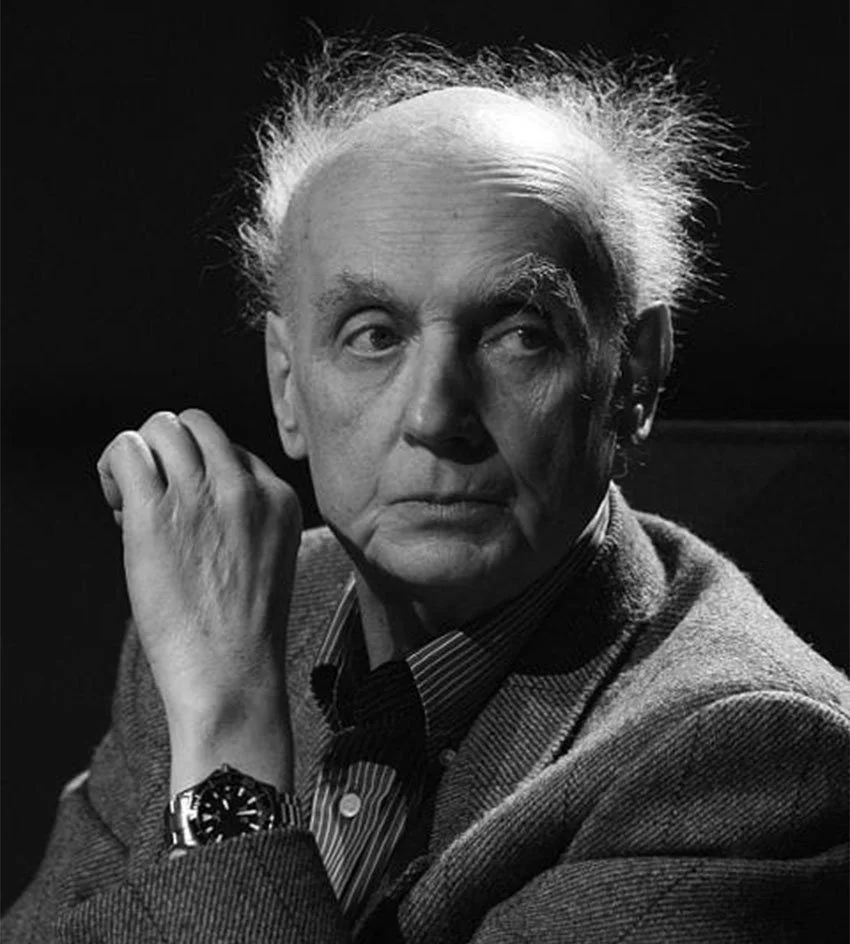
Life and Musical Career
Wojciech Kilar was a Polish composer and pianist renowned for both concert music and film scores. He was one of the most influential figures in twentieth-century Polish music, combining avant-garde techniques, minimalism, Polish folk traditions and deeply spiritual expression.
Kilar studied piano and composition at the State Higher School of Music in Katowice under Władysława Markiewiczówna and Bolesław Szabelski. He graduated with highest honours in 1955 and continued his postgraduate studies in Kraków. In 1959, he received a French government scholarship that allowed him to study composition in Paris with the celebrated teacher Nadia Boulanger.
During the 1950s and 1960s, Kilar became associated with the Polish avant-garde. Works such as Riff 62, Générique and Diphtongos featured experimental textures, powerful rhythms and innovative orchestral effects. From the 1970s onwards, his style became simpler and more direct, incorporating repetition, expressive melodies, religious inspiration and the folk music of Poland’s Tatra Mountain region.
Kilar also achieved international recognition as a film composer. He wrote music for more than 100 films and collaborated with directors including Andrzej Wajda, Krzysztof Zanussi, Roman Polański, Krzysztof Kieślowski and Francis Ford Coppola. His dramatic score for Coppola’s Dracula brought him worldwide acclaim and an ASCAP Award in 1992.
Three of his most important compositions are:
Krzesany (1974) – a powerful symphonic poem inspired by the music, landscape and traditional dances of the Polish highlands. It marked an important change from Kilar’s earlier avant-garde style.
Orawa (1986) – an energetic work for string orchestra, characterised by repetition, rhythmic momentum and influences from Tatra Mountain folk music.
Dracula – Film Score (1992) – an atmospheric and dramatic orchestral score composed for Francis Ford Coppola’s film, which established Kilar as a major international film composer.
Sources:
Polskie Wydawnictwo Muzyczne — Wojciech Kilar: Biography and Works.
Culture.pl, Adam Mickiewicz Institute — Wojciech Kilar: Biography.
Polish Music Center, University of Southern California — Wojciech Kilar: Biography and Selected Compositions.