Stanisław Niewiadomski
Quick Facts
Born: 4 November 1857, Soposzyn near Żółkiew, Galicia—now Soposhyn, Ukraine
Died: 15 August 1936, Lwów, Poland—now Lviv, Ukraine
Life and Musical Career
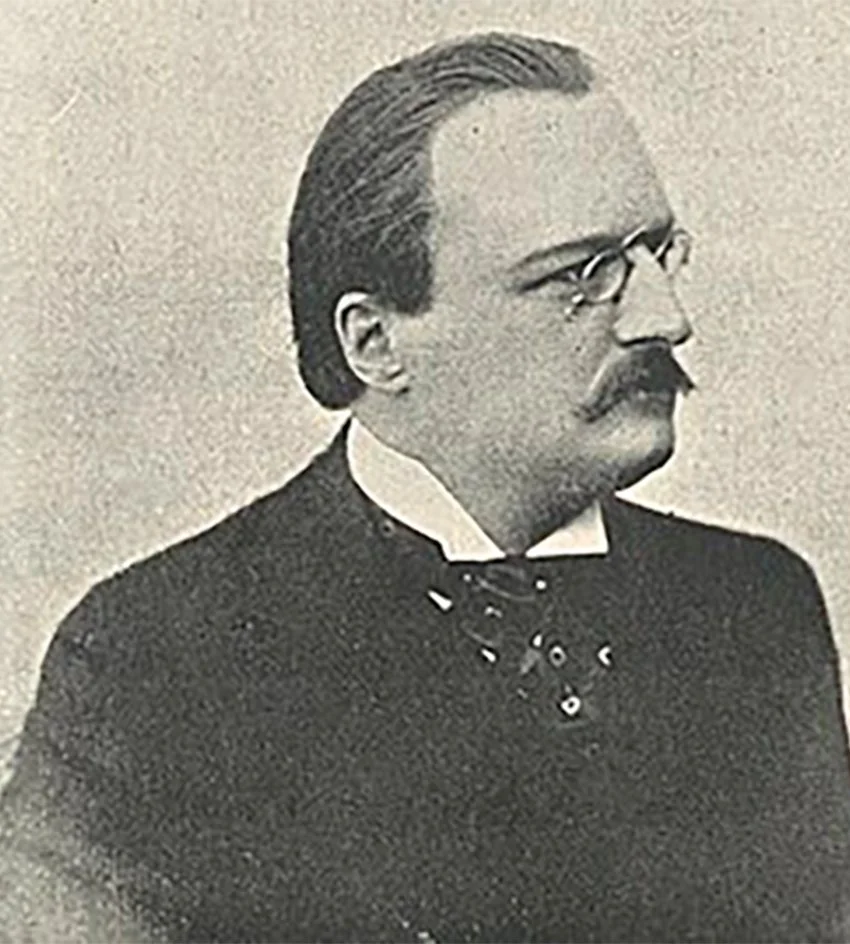
Stanisław Karol Niewiadomski was a Polish composer, conductor, teacher, music critic and writer. He was an important figure in the musical life of Lwów and Warsaw and became especially recognised for his songs and choral compositions, which continued the tradition established by Stanisław Moniuszko.
Niewiadomski studied piano with Karol Mikuli and music theory with Franciszek Słomkowski at the Conservatory of the Galician Music Society in Lwów. His public debut as a composer came in 1880 with the cantata Akt wiary, written to commemorate the fiftieth anniversary of the November Uprising. Its favourable reception encouraged him to pursue music professionally. From 1882 to 1885, he studied composition with Franz Krenn and piano with August Sturm in Vienna. He later continued his studies with Salomon Jadassohn in Leipzig.
After returning to Lwów, Niewiadomski became active as an educator, conductor and organiser. From 1887 to 1918, he taught music theory, harmony, music history and choral singing at the Galician Music Society Conservatory. He also worked with the Skarbek Theatre, conducted choirs and wrote extensively for Polish newspapers and musical journals. He became one of Lwów’s most influential music critics.
In 1919, Niewiadomski settled in Warsaw and joined the faculty of the Warsaw Conservatory. He taught aesthetics, music history and organology and helped establish the Association of Music Writers and Critics. He was also involved with the Fryderyk Chopin Institute and regularly presented lectures on Polish Radio.
His music combined Romantic lyricism with Polish folk and dance traditions. He was particularly admired for his sensitive settings of poetry by Adam Asnyk, Maria Konopnicka, Adam Mickiewicz and Kornel Makuszyński.
Three of his most important compositions are:
Akt wiary (Act of Faith, 1880) – a patriotic cantata for bass, male choir and orchestra that established Niewiadomski’s early reputation.
Między nami nic nie było, Op. 4 (1888) – a lyrical setting of Adam Asnyk’s poem and one of his best-known songs for voice and piano.
Maki, Op. 50 (c. 1916–1918) – an expressive song based on a poem by Kornel Makuszyński and a notable example of his mature vocal style.
Sources:
Polskie Wydawnictwo Muzyczne — Stanisław Niewiadomski: Biography.
Culture.pl, Adam Mickiewicz Institute — Stanisław Niewiadomski: Biography and Major Compositions.
Polish Music Heritage — Stanisław Niewiadomski: Complete Biography.