Feliks Nowowiejski
Quick Facts
Born: 7 February 1877, Wartembork—now Barczewo, Poland
Died: 18 January 1946, Poznań, Poland
Life and Musical Career
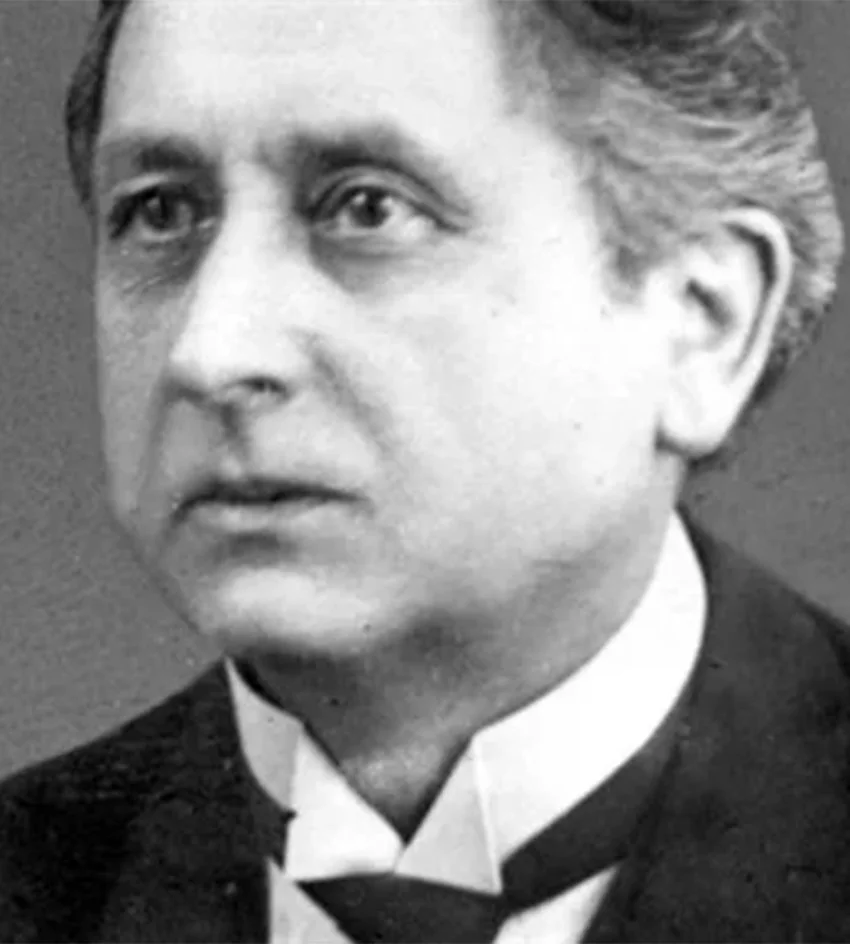
Feliks Nowowiejski was a Polish composer, organist, conductor, teacher and organiser of musical life. His extensive output included operas, oratorios, symphonies, sacred compositions, choral songs and major works for organ. He is remembered particularly for combining late-Romantic musical traditions with Polish patriotic, religious and folk influences.
From 1887 to 1893, Nowowiejski attended the music school in Święta Lipka, where he studied harmony and learnt to play the piano, organ, violin, cello and French horn. After moving to Olsztyn, he performed in a Prussian grenadier regiment orchestra and worked as an organist at St James’ Church.
Nowowiejski continued his education at the Stern Conservatory in Berlin and at a church music school in Regensburg. From 1900, he studied composition with Max Bruch at the Royal Academy of Arts in Berlin while also attending lectures in musicology and aesthetics. He twice received the prestigious Giacomo Meyerbeer Prize, in 1902 and 1904, which allowed him to travel throughout Europe and North Africa.
In 1909, Nowowiejski settled in Kraków, where he worked as a conductor and concert organist. After the First World War, he moved to Poznań and became actively involved in rebuilding the city’s musical culture. He taught at the Poznań Conservatory, conducted orchestras and choirs, organised concerts and gave acclaimed organ recitals. He was also a strong supporter of Polish culture and participated in campaigns connected with the 1920 plebiscite in Warmia and Masuria.
Three of his most important compositions are:
Quo Vadis, Op. 13 – a monumental oratorio inspired by Henryk Sienkiewicz’s novel. Premiered in its final form in Amsterdam in 1909, it was performed more than 200 times in Europe and America before 1939.
Rota (1910) – a patriotic song setting Maria Konopnicka’s poem. It became one of Poland’s most recognised national and patriotic hymns.
The Legend of the Baltic, Op. 28 (1924) – a Romantic opera inspired by Baltic legends and Polish maritime themes. Its Poznań production was performed fifty times during its first season.
Sources:
Polskie Wydawnictwo Muzyczne — Feliks Nowowiejski: Biography and Works.
Culture.pl, Adam Mickiewicz Institute — Feliks Nowowiejski: Biography and Major Compositions.
Polish Music Library — Feliks Nowowiejski.