Karol Lipiński
Quick Facts
Born: 30 October 1790, Radzyń Podlaski, Poland
Died: 16 December 1861, Urłów near Lwów—now Lviv, Ukraine
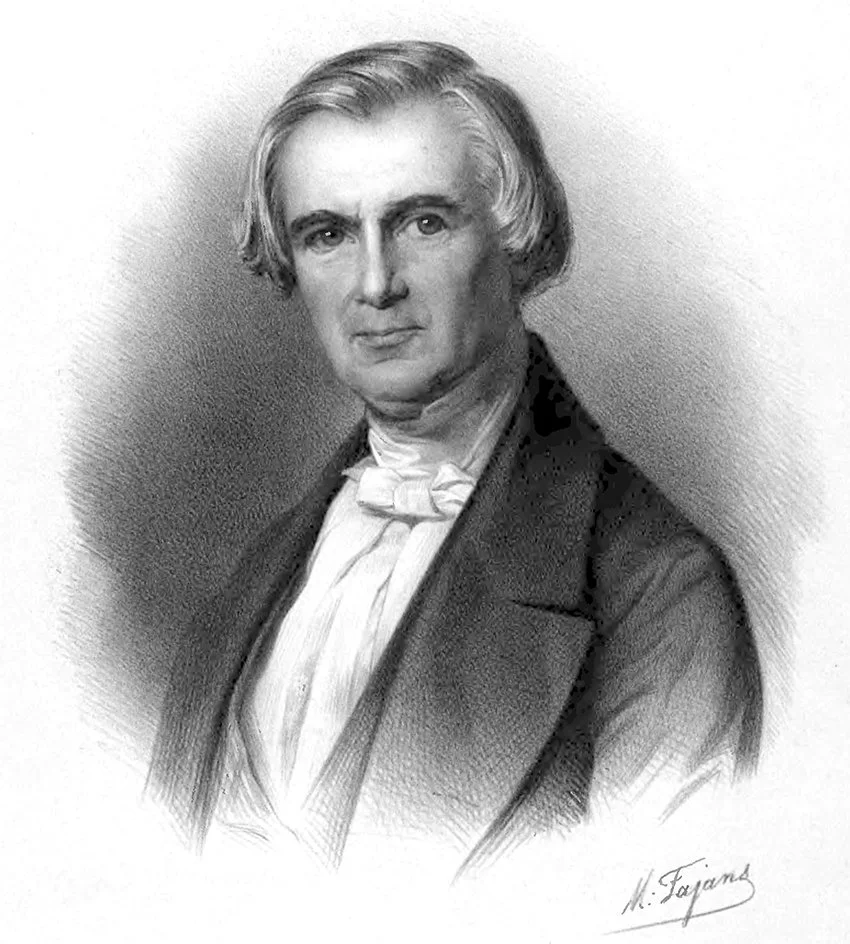
Life and Musical Career
Karol Józef Lipiński was a Polish composer, violin virtuoso, conductor and teacher. Considered one of Europe’s greatest violinists of the early nineteenth century, he was often compared with Niccolò Paganini and became known for his powerful tone, precise intonation and remarkable technical ability.
Lipiński received his first violin lessons from his father, Feliks Lipiński, a violinist and conductor. In 1799, the family moved to Lwów, where the young musician performed in orchestras and chamber ensembles. He also studied the cello, which may have contributed to the deep and resonant quality later associated with his violin playing. By 1809, he had become concertmaster of the Lwów opera orchestra and was later appointed its conductor.
In 1814, Lipiński met violinist and composer Louis Spohr in Vienna, who encouraged him to pursue a solo career. During an Italian concert tour in 1818, he performed twice with Paganini in Piacenza. Their appearances established Lipiński as one of the few violinists considered capable of matching the legendary Italian virtuoso.
Lipiński subsequently toured extensively throughout Europe, performing in Warsaw, Berlin, Leipzig, Vienna, Moscow and Saint Petersburg. In 1839, he settled in Dresden, where he served for more than twenty years as concertmaster of the opera orchestra and court kapellmeister. After retiring in 1861, he established a music school for talented children from rural families at his estate in Urłów.
His compositions focus primarily on the violin and combine brilliant virtuosity with lyrical melodies, Polish dance rhythms and elements of folk music. Three of his most important works are:
Violin Concerto No. 2 in D Major, Op. 21, “Military” – his most popular concerto, distinguished by fanfare-like themes, march rhythms and demanding solo writing.
Rondo alla polacca, Op. 7 – a virtuosic violin work incorporating the rhythms and character of the Polish polonaise.
Three Caprices, Op. 29 – technically challenging pieces demonstrating Lipiński’s mastery of double stops, harmonics, rapid passages and advanced bowing techniques.
Sources:
Polish Music Library — Karol Lipiński: Biography and Works.
Polskie Wydawnictwo Muzyczne — Karol Lipiński: Biography.
Toruń Symphony Orchestra — Karol Józef Lipiński: The “Polish Paganini”.
Culture.pl, Adam Mickiewicz Institute — Karol Lipiński: Biography.