Quick Facts
Born: Probably 4 or 5 March 1785, Włoszakowice, Greater Poland
Died: 18 September 1857, Warsaw, Poland
The precise day of Kurpiński’s birth is uncertain, but historical research indicates that he was born shortly before his baptism on 6 March 1785.
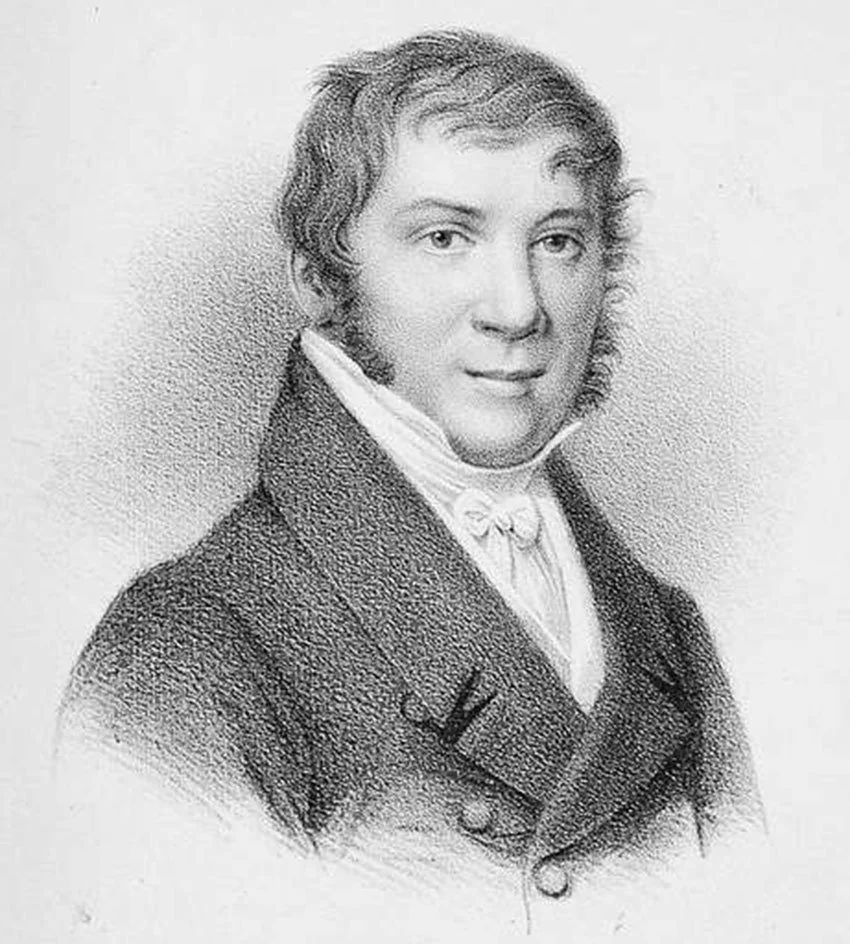
Life and Musical Career
Karol Kurpiński was a Polish composer, conductor, teacher, music theorist and journalist. He was one of the most important figures in Warsaw’s musical life during the first half of the nineteenth century and contributed significantly to the development of Polish opera and national music.
Kurpiński received his earliest violin and organ lessons from his father, Marcin Kurpiński, a church organist. At the age of twelve, he became an organist in Sarnowa near Rawicz. In 1800, he joined the court orchestra of Feliks Polanowski near Lviv as a second violinist. Through attending performances in Lviv and studying independently, he became familiar with Italian and German opera.
In 1810, Kurpiński moved to Warsaw and was appointed second conductor of the National Theatre’s opera company, working alongside Józef Elsner. After Elsner’s departure in 1824, Kurpiński became the theatre’s principal conductor and director of opera. He introduced Warsaw audiences to important European works while also promoting Polish compositions. In 1830, he conducted the premiere of Fryderyk Chopin’s Piano Concerto in F minor, with Chopin as soloist.
Kurpiński was also an influential educator and organiser. In 1820, he founded Tygodnik Muzyczny, the first Polish periodical devoted to music. He later established a singing school connected with Warsaw’s Teatr Wielki. His compositions combined Classical forms with Polish dances, national subjects and elements of early Romanticism.
Three of his most important compositions are:
The Castle of Czorsztyn, or Bojomir and Wanda (1819) – a two-act comic opera and one of Kurpiński’s most enduring theatrical successes.
Warszawianka (1831) – a famous patriotic song associated with the November Uprising and one of his best-known works.
Clarinet Concerto in B-flat Major – an important example of his instrumental music and a frequently performed work in the modern clarinet repertoire.
Sources:
Polish Music Heritage — Karol Kurpiński: Biography and Compositions.
Polskie Wydawnictwo Muzyczne — Karol Kurpiński: Biography.
Culture.pl, Adam Mickiewicz Institute — Karol Kurpiński: Biography and Major Compositions.
International Competition of Polish Music — Karol Kurpiński.