Quick Facts
Born: 1 June 1769, Grodków, Silesia—then part of the Kingdom of Prussia, now Poland
Died: 18 April 1854, Elsnerowo near Warsaw, Poland
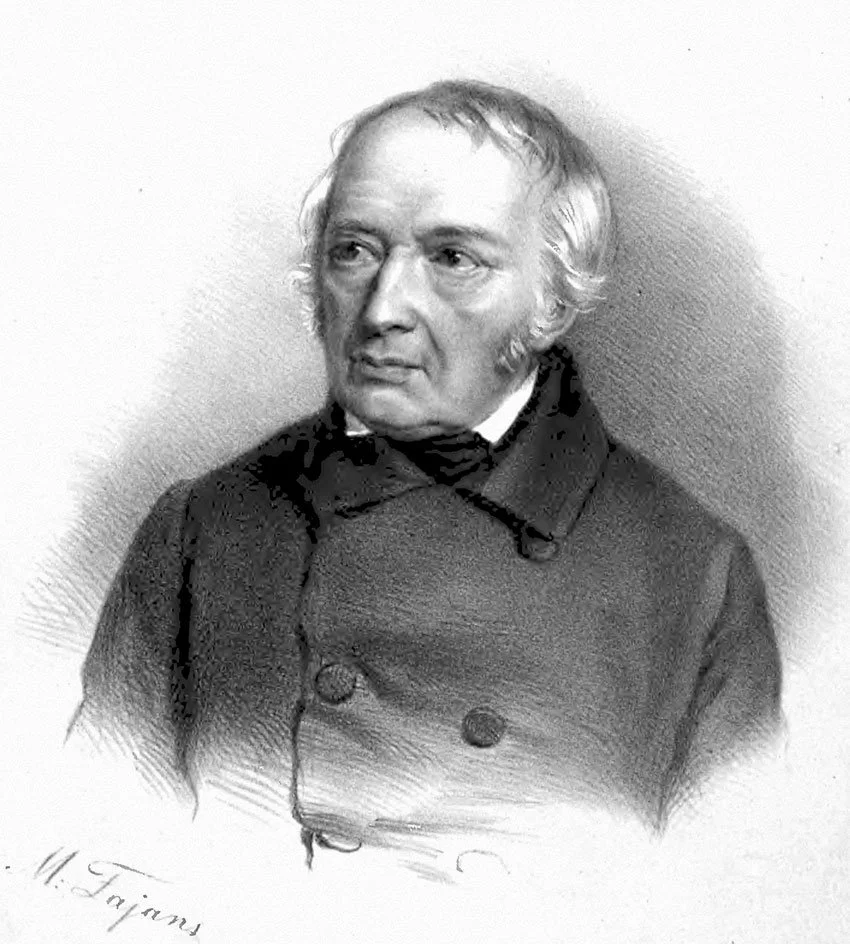
Life and Musical Career
Józef Ksawery Elsner was a Polish composer, conductor, teacher, music theorist and organiser of musical life. Although born into a German-speaking Silesian family, he spent most of his professional career in Poland and became an important contributor to the development of Polish national music.
Elsner received his early education in Grodków and Wrocław, where he sang in church and school choirs and studied violin and basso continuo. He briefly studied theology and medicine before deciding to pursue music professionally. After working as a violinist in Brno, he moved to Lviv in 1792 and became a conductor at the city’s theatre.
In 1799, Elsner settled permanently in Warsaw. For the next 25 years, he directed the opera at the National Theatre, expanding its repertoire with numerous stage works. He also established a music-printing workshop, published collections of Polish music and contributed reviews and articles to Polish and international journals.
Elsner played a fundamental role in establishing professional musical education in Warsaw. He directed several institutions that eventually developed into the Main School of Music. His most famous student was Fryderyk Chopin, whom he taught harmony, counterpoint and composition between 1826 and 1829. Elsner recognised Chopin’s exceptional ability and described him as possessing an “extraordinary gift” and “musical genius”.
Elsner composed operas, symphonies, chamber music, concertos, piano pieces and more than 100 religious works. His style combined Classical forms with Polish folk dances, national themes and careful attention to the natural rhythm of the Polish language. His work helped prepare the way for later Polish Romantic composers.
Three of his most significant compositions are:
Król Łokietek, czyli Wiśliczanki (1817–1818) – a two-act historical opera incorporating Polish dances and patriotic themes. It premiered at Warsaw’s National Theatre on 3 April 1818.
Requiem in C Minor, Op. 42 (1826) – an expressive sacred composition for male voices, cello, wind instruments and timpani.
Passio Domini Nostri Jesu Christi, Op. 65 (1835–1837) – a monumental oratorio for soloists, three choirs and orchestra, widely considered Elsner’s greatest compositional achievement.
Sources:
Polish Music Heritage — Józef Elsner: Complete Biography.
International Competition of Polish Music — Józef Ksawery Elsner.
Fryderyk Chopin Institute — Józef Elsner.
Fryderyk Chopin University of Music — The Heritage of the University.