Quick Facts
Born: 2 May 1846, Warsaw, Poland
Died: 23 July 1909, Warsaw, Poland
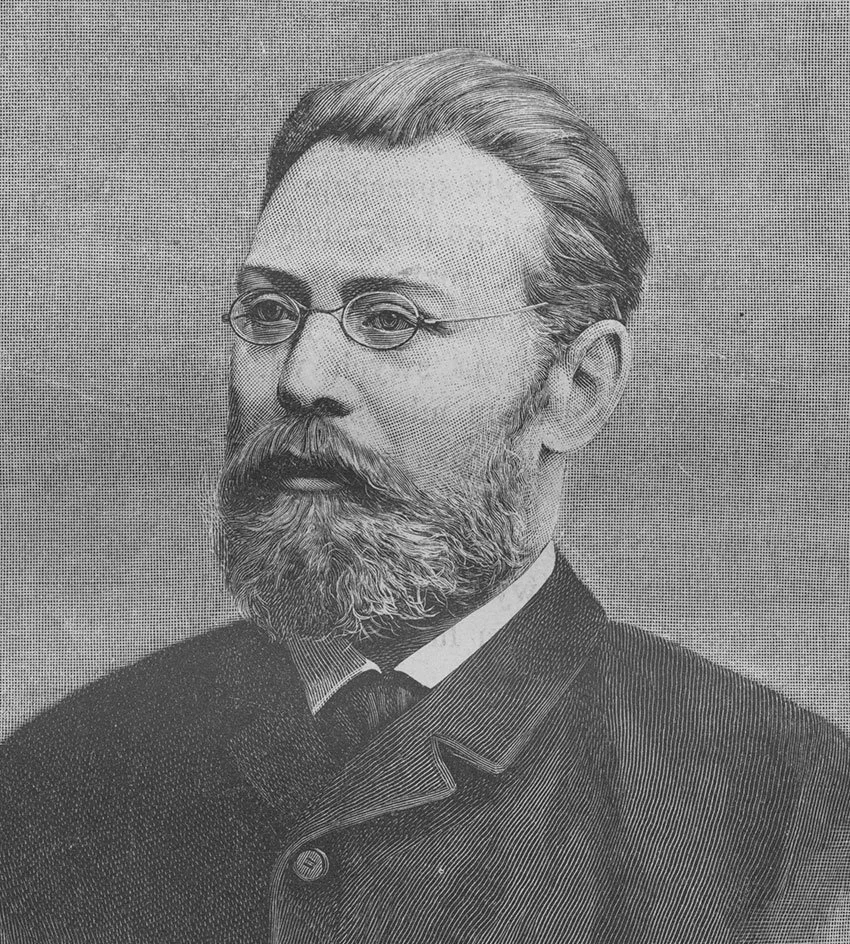
Life and Musical Career
Zygmunt Noskowski was a Polish composer, conductor, teacher and music journalist. He was one of the most influential figures in Polish musical life during the second half of the nineteenth century and played an important role in the development of Polish symphonic music.
Noskowski studied violin, singing and music theory at the Warsaw Institute of Music between 1864 and 1867. His teachers included Apolinary Kątski and Stanisław Moniuszko. After graduating, he performed in the orchestra of Warsaw’s Grand Theatre and taught at an institute for blind students. He later received a scholarship to study composition and instrumentation in Berlin with Friedrich Kiel and Richard Wüerst.
From 1876 to 1880, Noskowski worked in Konstanz, Germany, as director of the Bodan Choral Society. He returned to Warsaw in 1880 and became conductor of the Warsaw Musical Society, a position he held for more than twenty years. He also conducted at the Warsaw Philharmonic and Warsaw Opera.
In 1886, Noskowski began teaching composition at the Warsaw Institute of Music. He educated an important generation of Polish composers, including Mieczysław Karłowicz, Karol Szymanowski, Ludomir Różycki and Grzegorz Fitelberg. His music combined late-Romantic harmony and orchestration with Polish history, folk traditions and natural landscapes. He composed symphonies, operas, chamber works, songs, piano music and orchestral compositions.
Three of his most important compositions are:
The Steppe, Op. 66 (1896–1897) – regarded as the first major Polish symphonic poem, this atmospheric orchestral work evokes the vast landscape and history of the Ukrainian steppe.
Morskie Oko, Op. 19 (1875) – a concert overture inspired by the famous mountain lake in the Tatra Mountains, admired for its poetic atmosphere and colourful orchestration.
Symphony No. 3 in F Major, “From Spring to Spring” – a large-scale orchestral work depicting the changing seasons and demonstrating Noskowski’s mature symphonic style.
Sources:
Polskie Wydawnictwo Muzyczne — Zygmunt Noskowski: Biography and Works.
International Competition of Polish Music — Zygmunt Noskowski.
Polish Music Heritage — Zygmunt Noskowski: Complete Biography and Compositions.