Quick Facts
Born: 18 September 1883, Warsaw, Poland
Died: 1 January 1953, Katowice, Poland
Life and Musical Career
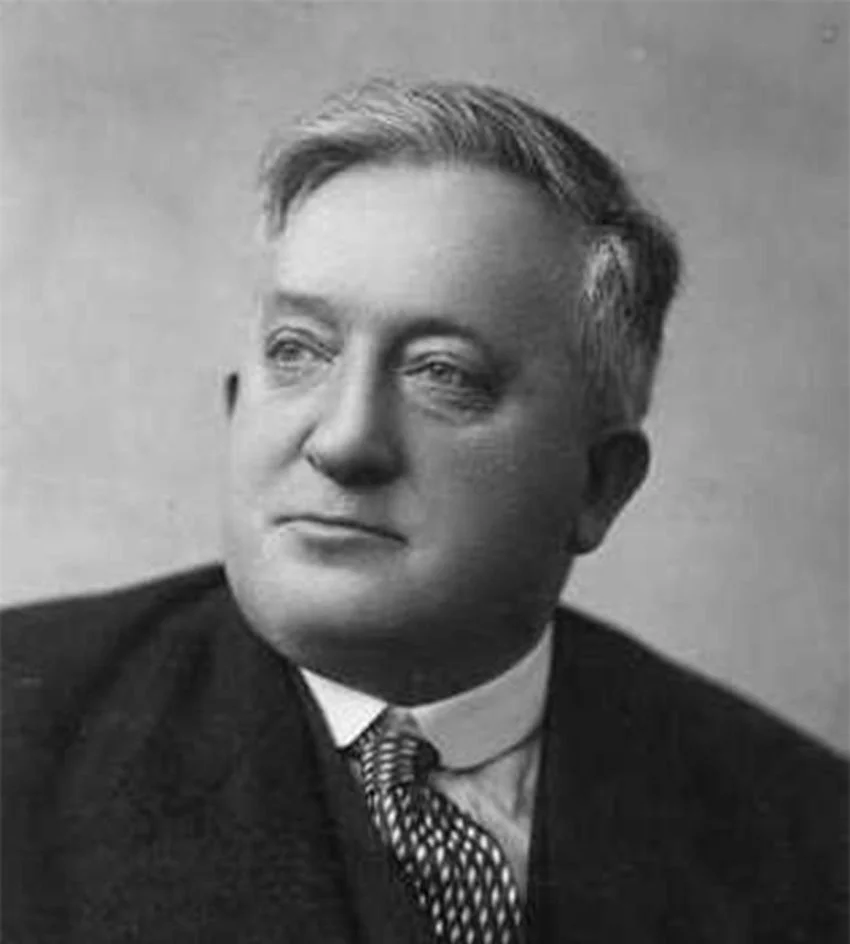
Ludomir Różycki was a Polish composer, conductor, pianist and teacher. He was one of the leading representatives of Young Poland in Music, a movement that introduced new European Romantic and modernist ideas into Polish musical culture during the early twentieth century.
Różycki studied piano with Aleksander Michałowski and composition with Zygmunt Noskowski at the Warsaw Institute of Music. After graduating with a gold medal in 1904, he continued his composition studies in Berlin with Engelbert Humperdinck. His professional career began in Lwów, now Lviv, where he worked as an opera conductor and taught piano at the Conservatory of the Galician Music Society.
In 1905, Różycki joined Karol Szymanowski, Grzegorz Fitelberg and Apolinary Szeluto in establishing the Company of Young Polish Composers. The organisation promoted contemporary Polish music internationally and helped define a new generation of Polish composers.
Różycki wrote operas, ballets, symphonic poems, concertos, chamber music, songs and solo piano works. His style combined rich late-Romantic orchestration, expressive melodies and dramatic storytelling with subjects drawn from Polish history, legend and literature. In 1918, he settled in Warsaw, where he worked as a conductor, lecturer, journalist and organiser of musical life. He helped establish the Polish Composers’ Association in 1926 and became its first chairman.
During the Second World War, Różycki participated in underground concerts. Many of his manuscripts were destroyed during the Warsaw Uprising of 1944. After the war, he moved to Katowice, taught at the State Higher School of Music and devoted his final years to reconstructing lost scores.
Three of his most important compositions are:
Stańczyk, Op. 1 (1903–1904) – a symphonic scherzo whose 1904 performance marked Różycki’s official compositional debut.
Eros and Psyche, Op. 40 (1914–1916) – an ambitious opera that became one of his greatest theatrical achievements and received Poland’s National Music Award in 1937.
Pan Twardowski, Op. 45 (1919–1920) – a colourful ballet based on the famous Polish legend, combining dramatic orchestral writing with national themes.
Sources:
Polskie Wydawnictwo Muzyczne — Ludomir Różycki: Biography.
Culture.pl, Adam Mickiewicz Institute — Ludomir Różycki: Biography and Major Compositions.
International Competition of Polish Music, National Institute of Music and Dance — Ludomir Różycki.